
Rodent Control Cape Town
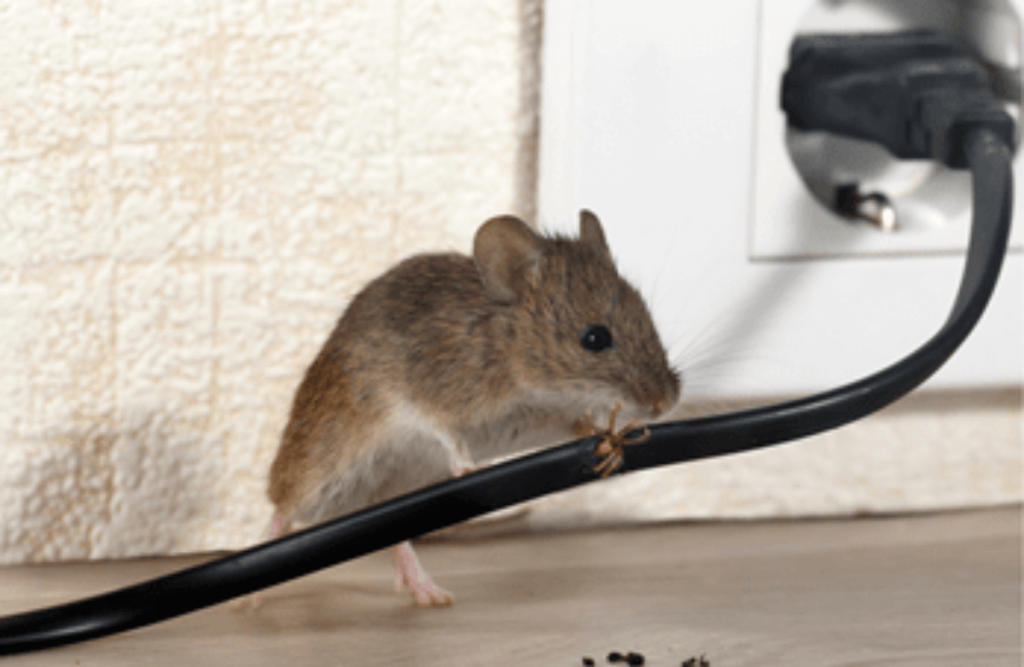
One rat or mouse sighting usually means there’s an access problem — not just a single animal.
Rodents get into properties through gaps in brickwork, open drains, roof spaces, wall cavities, and service penetrations. Catching the one you saw doesn’t close those routes. That’s why the same properties keep calling back. We’ve seen it happen with homes in the Southern Suburbs, warehouses in Bellville, and restaurants across the City Bowl — the treatment looks fine on day one, but without addressing access, it’s only a matter of time before the pressure builds again.
Pest Managers provides targeted rat and mouse control in Cape Town. We inspect for activity patterns, identify likely entry points, place tamper-resistant bait stations in the right locations, not just where they’re convenient, and follow up properly.
Why Does My Rodent Problem Keep Coming Back?
Rodent problems return because a single treatment rarely fixes the root cause.
When you deal with one visible rat or mouse, you’re treating a symptom. The entry points, food sources, harbourage areas, and movement routes that attracted them are still active.
New rodents follow the same paths. This is especially true for properties near open land, food-handling environments, open stormwater drains, or neighbouring buildings with poor waste management, all of which describe a large portion of Cape Town’s commercial and residential stock.
In our experience, once-off treatments work well for isolated incidents: a mouse that found its way into a new building, or a rat that came in through a pipe during winter.
But if you’re seeing repeat activity or you’re running any kind of food or hospitality operation, a once-off treatment is usually just buying time.


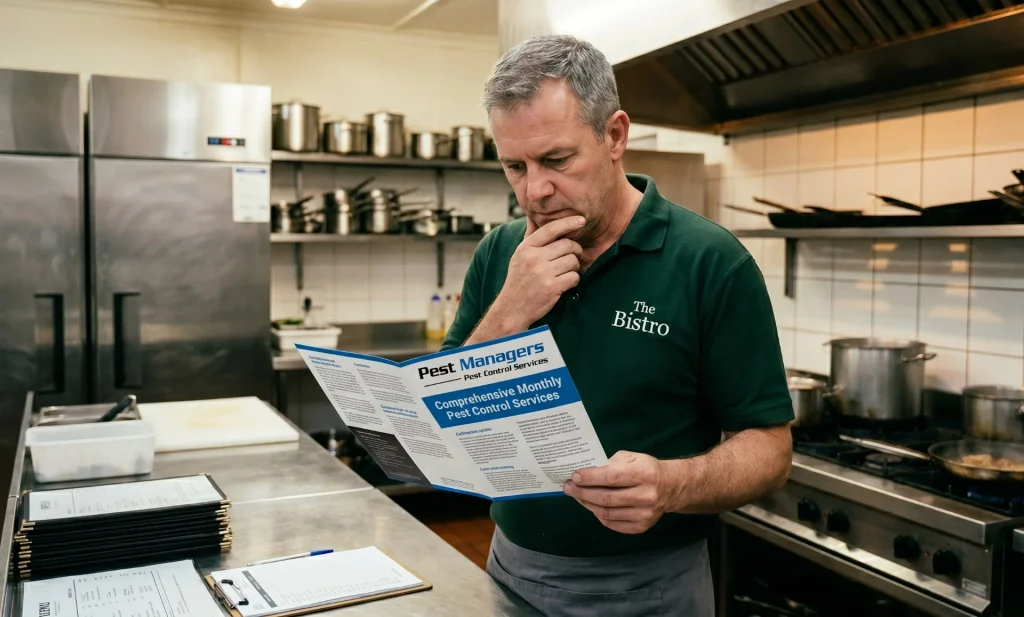
Once-Off Treatment vs Monthly Rodent Control
Once-off treatment works when the rodent activity is new, limited, and the property doesn’t carry significant ongoing risk factors. We inspect, treat, and advise on any access points we find.
Monthly rodent control is the right call when:
- The property has seen repeat activity over weeks or months
- You’re operating in food handling, hospitality, or retail
- There’s open land, dense vegetation, or active drains nearby
- You need service records for health inspections or audits
- You manage a complex, body corporate, or multi-unit building
We’ll tell you honestly which applies to your situation. There’s no point selling a monthly plan to someone who has a one-time problem, and there’s no point doing a once-off treatment on a restaurant that backs onto a field.
Once-Off vs Monthly Rodent Control
| Once-Off Treatment | Monthly Rodent Control | |
|---|---|---|
| Best for | Isolated, new activity | Recurring or high-risk properties |
| Inspection included | Yes | Yes, ongoing |
| Bait station placement | Yes | Yes, serviced regularly |
| Entry point assessment | Yes | Yes, with follow-up |
| Service records / reports | On request | Included |
| Re-bait and monitoring | Limited | Ongoing |
| Health audit compliance | Not always sufficient | Yes |
How We Handle Rodent Control
We don’t just bait and leave. Here’s what our process actually involves:
1. Inspection first. We walk the property and look for droppings, gnaw marks, grease trails, burrow evidence, and the structural gaps or drainage access points that made entry possible. You’ll know what we found.
2. Strategic bait station placement. Tamper-resistant stations placed along rodent movement routes — not in random corners. For commercial properties, we position them to meet food safety audit requirements.
3. Monitoring and bait take tracking. We check what’s being taken, which tells us where the pressure is coming from and whether the population is being controlled.
4. Re-baiting and servicing. On monthly plans, stations get checked, refreshed, and repositioned where activity shifts.
5. Practical advice that actually helps. Sanitation habits, storage changes, sealing of obvious entry points — we point out what’s contributing to the problem, not just what we treated.
6. Documentation. Commercial clients get written service records. If you need paperwork for a health inspection, we provide it.
Who Should Consider Monthly Rodent Control?
Monthly rodent management works well for any property where rodent risk doesn’t go away between treatments. That includes:
- Restaurants, takeaways, and food production facilities
- Warehouses and storage facilities with regular stock movement
- Offices and retail sites in older buildings or dense urban areas
- Residential complexes and body corporates managing shared spaces
- Property management companies handling multiple buildings
- Homes with persistent activity — particularly near vleis, rivers, or open land
If you’re running a food premises, monthly rodent control isn’t optional in any practical sense. The City of Cape Town’s health regulations and most third-party food safety audits expect documented, ongoing pest management. A once-off visit won’t cover it.

Frequently Asked Questions
I only saw one mouse. Do I really need professional control?
Yes, and here’s why. A single sighting almost always means the animal has found a reliable way in, not that it wandered in by accident.
Mice don’t explore; they follow established routes to food and shelter. What you’re seeing is evidence of access, not evidence of one mouse.
A professional inspection tells you exactly how they’re getting in, what’s attracting them, and how to close it off before a minor issue becomes a persistent one.
How do rodents get into my house or business?
Through smaller gaps than most people expect. Rats can squeeze through an opening of around 20mm, roughly the diameter of a R2 coin.
Mice need even less, as little as 6mm. In practice, that means gaps under doors, cracked or missing air bricks, open drains, spaces around plumbing and electrical lines, and roof-level access points that are easy to miss from ground level.
Part of what we do during every inspection is map these entry points and advise you on which ones need sealing.
What is the difference between a once-off treatment and monthly rodent control?
A once-off treatment is designed for isolated, recent activity, one entry event, limited evidence, a property that doesn’t carry much ongoing risk.
Monthly rodent control is a managed service: we check and re-bait stations regularly, track activity patterns over time, and manage ongoing rodent pressure rather than just responding to it.
We recommend monthly plans for restaurants, food-handling businesses, warehouses, and any property near open land or stormwater drains where new rodents are constantly trying to find a way in.
Are your rodent bait stations safe for children and pets?
Yes. We use tamper-resistant bait stations with lockable plastic casings that children and pets can’t open. Beyond the stations themselves, placement matters too, we position them along rodent movement routes, which are typically wall edges, behind appliances, and in out-of-reach spaces, not in open areas where accidental contact is likely.
If you have specific concerns about placement given your layout or household, let us know when you book and we’ll factor that in.
How quickly will the rodent treatment work?
Most properties see a noticeable drop in activity within three to seven days of bait station setup. But speed isn’t the right measure here, long-term success is. If the entry points that let rodents in are still open, new animals will replace the ones the treatment removes.
That’s why we focus on access as much as bait. A treatment that closes the route is worth more than one that just clears the current population.
How much does rodent control in Cape Town cost?
It depends on the size of the property, the extent of the activity, and whether you need a once-off treatment or an ongoing monthly plan.
We don’t publish fixed rates because a single mouse in a small flat and an active rat infestation in a 2,000m² warehouse are very different jobs.
The best way to get an accurate figure is to contact us with a few details about your situation — we’ll give you a straight answer without any obligation.
Do I need to be home during the treatment?
For residential properties, yes, we prefer someone to be present so we can walk you through what we found and where we’ve placed the stations.
For commercial properties, we can often work around your operating hours. If access is an issue, get in touch and we’ll work something out.
How to Get a Quote
The more context you give us upfront, the faster we can give you an accurate quote and book the right service.
When you contact us, please include:
- Where you’ve seen or heard the activity (inside, roof, garden, drains)
- Whether it looks like a rat or a mouse, or both
- How long it’s been going on
- Photos of droppings, damage, or possible entry points if you have them
- Whether there are already bait stations on the property
- Whether you’re looking for a once-off treatment or ongoing management