
How to Get Rid of Crickets in Your Cape Town Home
One cricket is a nuisance. A whole chorus of them behind your skirting boards at 2am means you have a breeding problem, and probably some chewed clothing you have not spotted yet. In Cape Town homes crickets are easy to ignore until there are enough of them to keep you awake, and by then they have usually found the warm, damp corners of the house and settled in.
Here is what draws crickets inside, the damage they quietly cause, and how we get rid of them properly once the DIY approach stops working.
Why are crickets suddenly in my house?
Crickets come inside for three things: warmth, moisture, and shelter. They are outdoor insects by default, living in gardens, lawns, compost, and leaf litter. When conditions outside turn against them, either too hot and dry or later in the season when the nights cool down, they head for the nearest stable environment. That is your home.
They get in through gaps under doors, cracks in walls, air bricks, vents, and anywhere a pipe or cable passes through the wall. Outdoor lighting makes it worse. Crickets are drawn to light, so a bright porch or security lamp basically advertises your house to every cricket in the garden. In Cape Town they are most active through the warmer months, which is when we get the most calls about them.
Which crickets get into Cape Town homes?
Two kinds cause almost all the indoor trouble: house crickets and field crickets.
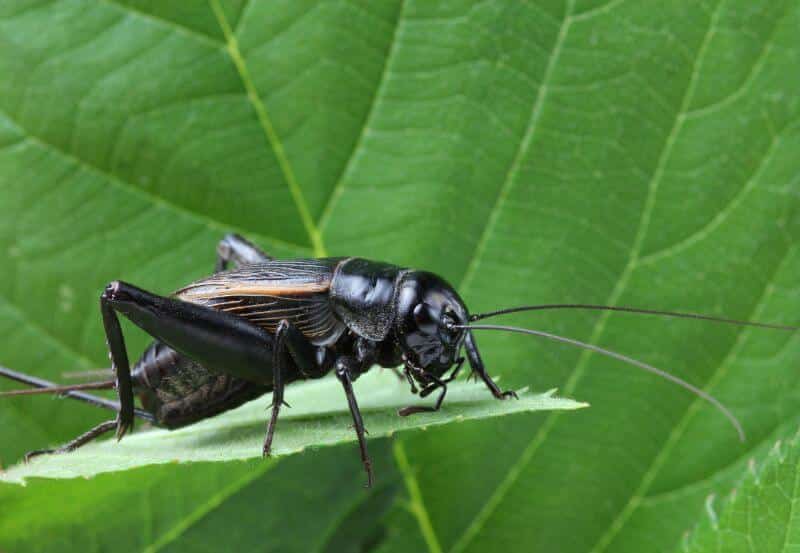
House crickets are the classic culprit. They are yellowish-brown, around two centimetres long, with long thread-like antennae that are often longer than their bodies, and they can survive indoors indefinitely. Field crickets are darker, brown to black, and tend to stay closer to the garden where they feed on plants, though they will happily wander inside too.
| Feature | House cricket | Field cricket |
|---|---|---|
| Colour | Yellowish-brown, dark bands on head | Dark brown to black |
| Size | Around 2 cm | Similar, often stockier |
| Where you find it | Indoors, can live inside all year | Mostly the garden, wanders in |
| Main damage | Chews fabric and paper indoors | Feeds on garden plants, some fabric |
You may also have heard the Parktown prawn blamed for cricket problems. That is a different animal, a large king cricket that mostly turns up in Gauteng gardens, not a fabric-chewing indoor pest in Cape Town homes. If something the size of your thumb is lumbering across the kitchen floor, that is a separate conversation. The crickets keeping you awake and eating your jerseys are the smaller house and field crickets.
Are crickets actually a problem, or just noisy?
Both. The chirping is the obvious part, and it is only the males, rubbing their wings together to call for a mate, almost always after dark. The quieter problem is what they chew.
Crickets feed on fabric. Wool, cotton, silk, linen, synthetics, they are not fussy, and they are especially drawn to material stained with sweat or food. Because they surface-feed, they leave fabric roughened and pulled where they have grazed, and a heavy infestation can eat right through large patches of a carpet or a stored garment. They will nibble paper and wallpaper too. Their droppings can stain surfaces and, like a lot of insects that traipse across your floors, can carry bacteria such as E. coli and salmonella, so you do not want them near food-prep areas.
They do not bite people and they are not dangerous. But a female house cricket can lay around a hundred eggs indoors, so a small problem does not stay small for long.
How do you get rid of crickets?
Getting rid of crickets is less about hunting individuals, since they fall silent the moment you walk in and the chirp is almost impossible to pin down, and more about making your home a poor place to live. Work through these in order:
- Dry them out. Fix leaks, ventilate roof spaces and cupboards, and run a dehumidifier in damp rooms. Crickets need moisture.
- Seal the entry points. Caulk cracks around windows, doors, and the foundation, fit door sweeps, and screen vents and air bricks.
- Kill the attraction outside. Move outdoor lamps away from doors or switch to warmer bulbs that pull in fewer insects, keep the grass short, weed the beds, and shift woodpiles and compost away from the walls.
- Clean up indoors. Keep laundry off the floor, vacuum regularly, and clear the clutter where crickets hide during the day.
- Treat what is left. For an established infestation, a targeted crack-and-crevice treatment applied where they harbour beats a can of spray aimed at the ones you can see.
How do I stop crickets coming back?
Prevention is that same list, kept up. The homes that stay cricket-free are the dry, well-sealed ones with tidy gardens and sensible outdoor lighting. If your house backs onto a greenbelt, a river, or long grass, you will always be more exposed, and a preventative visit through the warm season usually costs less than clearing a full infestation later.
When should you call a professional?
Call someone in when you are hearing several crickets night after night, finding chewed fabric, or seeing them in daylight, which usually means the population is big enough that the ones you spot are just the overflow. Our cricket control in Cape Town starts by finding where they are breeding and getting in, then treating those points rather than chasing the noise around the house. If crickets are only one of several things you are dealing with, our broader pest control services cover the rest.
Frequently Asked Questions
Do crickets bite?
Crickets do not bite people in any meaningful way and they are not venomous. The trouble they cause is noise, chewed fabric and paper, and droppings, not injury.
Why do crickets go silent when I walk into the room?
Male crickets chirp to attract a mate and stop the instant they sense movement or vibration, which is why the sound seems to shift around the room and why hunting one cricket by ear rarely works. Treating their hiding spots is far more reliable.
Are crickets a sign of a bigger pest problem?
They can be. Crickets are drawn to the same damp, cluttered, poorly sealed conditions that suit cockroaches and silverfish, so a cricket problem is often a hint that your home is comfortable for other pests too.
How long do crickets live?
A cricket lives roughly three months on average. That is long enough for a female to lay a batch of eggs indoors, which is why an untreated infestation carries into the next generation instead of simply dying off.
If the chirping has already started, it is worth acting before the next batch hatches. Get the moisture and entry points sorted first, and if the noise does not stop, we will find what you cannot.